Website Localization: Increase Your Reach and Drive Sales to Your Online Store

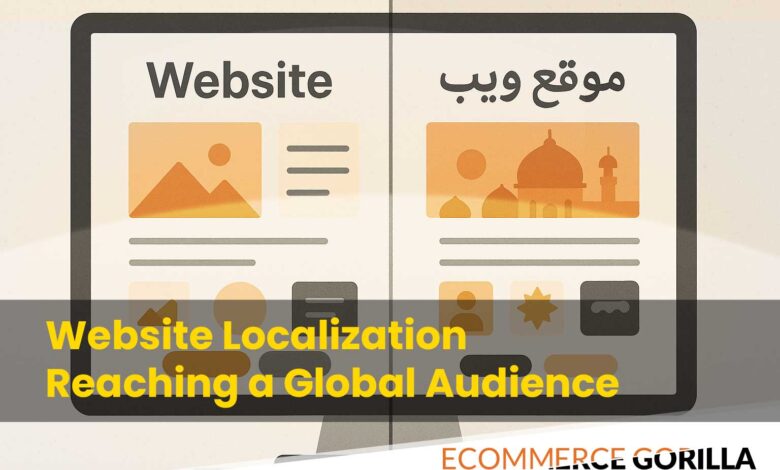
With global e-commerce booming, reaching customers across borders has never been easier—or more essential. However, truly connecting with international shoppers requires more than simply translating your website. This is where website localization comes into play, a strategy designed to engage customers deeply by adapting your content and shopping experience to resonate with diverse markets.
What is Website Localization?
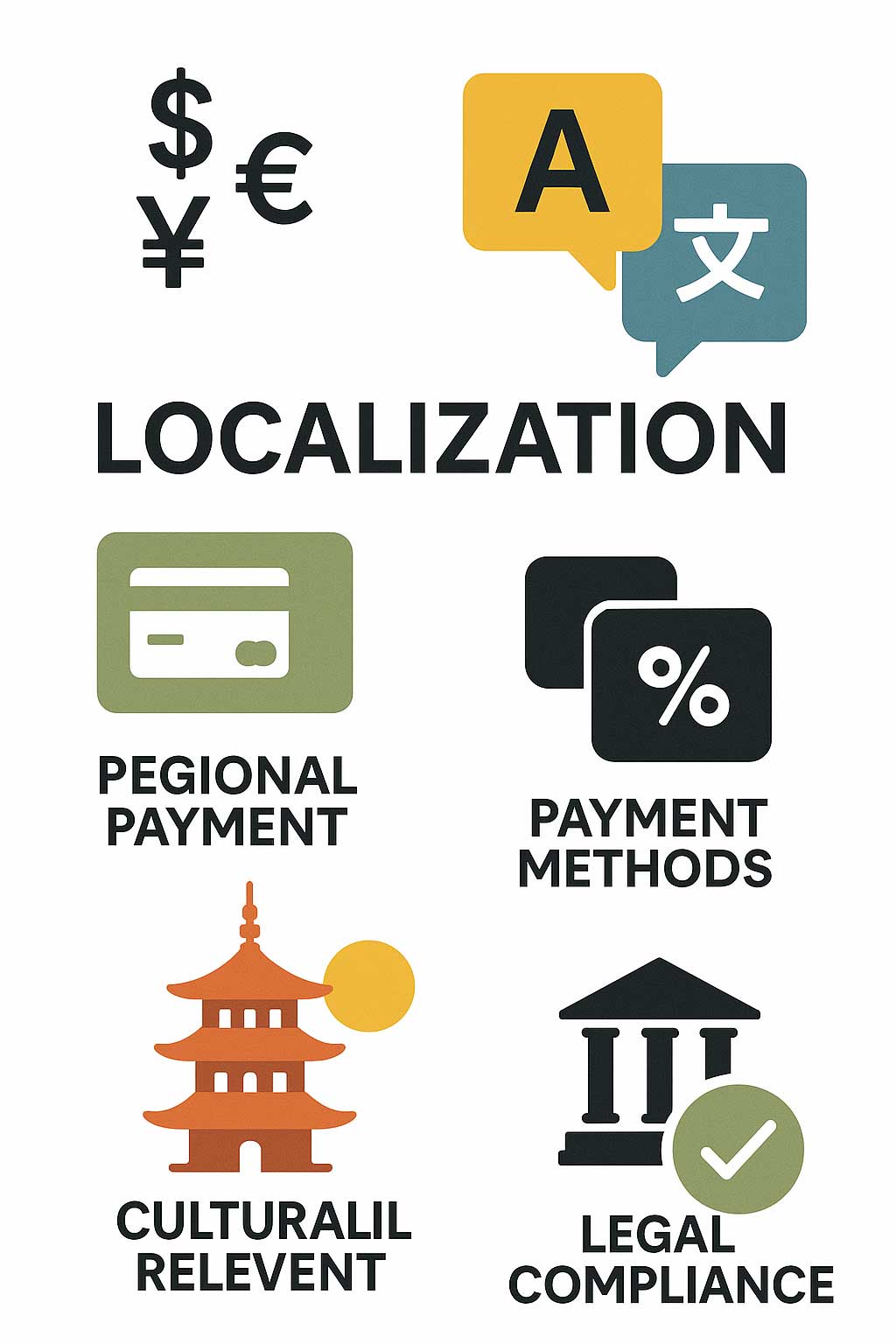
Website localization goes beyond translation. It involves tailoring your e-commerce site to meet the cultural, functional, and linguistic expectations of different regional audiences. This includes adapting everything from language and images to currency, payment methods, and even customer service protocols.
Unlike straightforward translation, localization considers nuances such as cultural sensitivities, local holidays, appropriate imagery, and even the preferred methods of payment. This ensures that your website feels familiar and trustworthy to shoppers everywhere. Effective localization can significantly enhance user engagement, reduce bounce rates, and build lasting customer loyalty.
Why Localization Matters in E-Commerce
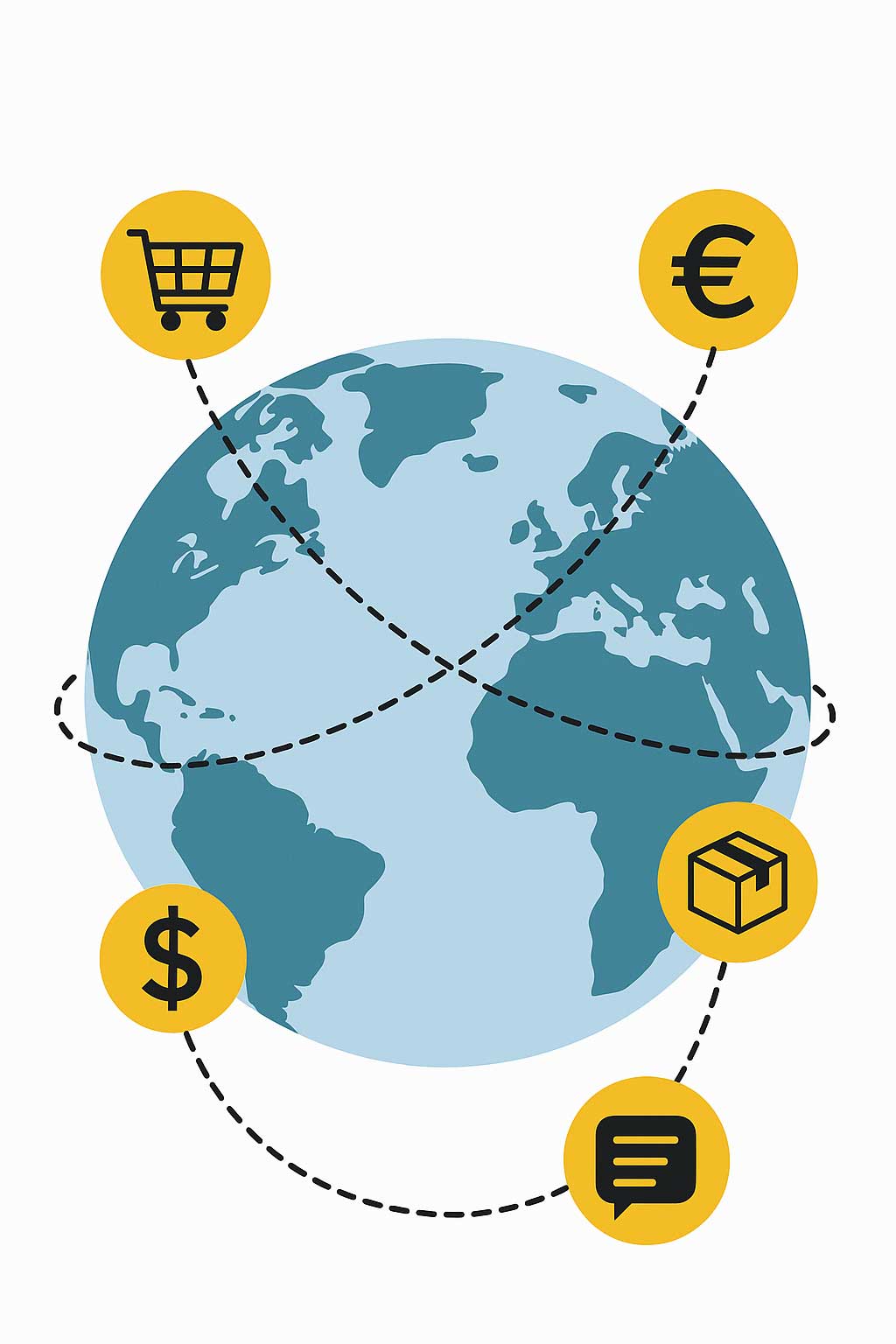
Global Reach with a Local Feel
Shoppers worldwide prefer buying from sites that feel familiar, secure, and aligned with their cultural expectations. When your website looks and feels local, you immediately build trust with new customers, enhancing their shopping experience and increasing the likelihood they’ll return.
SEO Benefits
Localized content dramatically improves your visibility on regional search engines. Optimizing your website for local keywords, search trends, and culturally relevant content boosts organic traffic from your target markets. Enhanced visibility directly translates into higher web traffic and potential sales.
Increased Conversion Rates
Shoppers are more likely to complete a purchase if product details, pricing, checkout processes, and customer service interactions are presented in their own language and localized appropriately. Simplified transactions reduce friction and hesitation, making customers more confident about their purchases.
Customer Retention
Localization encourages repeat business by ensuring consistent, culturally relevant customer support. Localized FAQs, return policies, follow-up communications, and personalized offers reinforce trust and satisfaction, helping you build a loyal customer base.
Key Elements of Website Localization
Language and Content
Effective localization involves high-quality translations of product descriptions, user-generated reviews, customer service information, and clear calls-to-action tailored to regional preferences. Culturally relevant storytelling and localized marketing messages create deeper connections.
Currency and Pricing
Offering prices in local currencies and transparently communicating taxes, shipping fees, and additional costs prevents cart abandonment and builds confidence. Clearly displayed pricing and cost details remove uncertainty, boosting consumer trust.
Design and Layout
Adapting design elements to accommodate regional differences—such as reading direction (left-to-right or right-to-left), culturally relevant images, and color choices—is essential. These subtle changes ensure the user interface resonates culturally, making customers comfortable navigating your site.
Payment Methods
Customers expect familiar payment solutions. Incorporate locally preferred methods like credit cards, bank transfers, digital wallets (such as Alipay in China), or region-specific solutions (such as iDEAL in the Netherlands). Providing familiar options increases checkout completion rates significantly.
Legal and Regulatory Compliance
Different countries have varying privacy regulations, tax rules, and consumer protection laws. Compliance with local regulations not only protects your business but also builds trust with informed consumers. Clearly communicate your adherence to local laws to enhance credibility.
Customer Support
Providing localized support through translated FAQs, region-specific chatbots, and customer service representatives who understand cultural contexts enhances user experience significantly. Quick, clear, and culturally sensitive support solutions help resolve issues efficiently and improve overall satisfaction.
Common Localization Challenges (and Solutions)

Localization isn’t without its challenges. Maintaining a consistent brand voice across multiple languages can be difficult. Solutions include employing professional translators familiar with your brand, creating detailed brand guidelines, and continuously reviewing and refining localized content.
Accuracy and cultural appropriateness are also critical. Collaborating with local experts helps ensure your website resonates authentically with regional customers. Additionally, technology platforms specifically designed for localization can simplify managing updates across various markets, helping maintain consistency and quality.
How to Begin Localizing Your Website
Conduct Market Research
Start by identifying the markets with the most significant potential demand for your products. Understand cultural preferences, economic factors, online shopping behaviors, and competitor strategies. This research informs your localization strategy, ensuring targeted, effective results.
Begin Small
Initially, localize your most important pages—such as high-traffic landing pages or your best-selling products—to test effectiveness and gather data. Starting with a focused approach allows for manageable improvements and clear performance tracking.
Leverage Technology
Use localization platforms such as Weglot or Lokalise, which streamline the process and manage translations efficiently. These tools simplify localization, saving you time and ensuring consistency across regions.
Test and Iterate
Run A/B tests across your localized pages to measure performance and continuously refine based on results. Regular testing helps identify which elements resonate most with local audiences, optimizing your localization efforts.
Involve Local Expertise
Engage native speakers and localization specialists to review content, design elements, and customer interactions to guarantee authenticity and effectiveness. Local input ensures cultural accuracy and relevance.
Measuring Localization Success
Regularly track metrics such as regional conversion rates, bounce rates, and cart abandonment rates to evaluate the impact of your localization efforts. Customer feedback through localized surveys and reviews provides qualitative insights to further optimize your approach. Monitor organic search visibility growth in your targeted regions as another vital indicator of success. Use analytics to refine strategies continuously and maximize localization outcomes.
Effective website localization is a powerful strategy for expanding your ecommerce reach, enhancing customer experience, and ultimately driving higher sales. By thoughtfully adapting your website to meet the linguistic and cultural expectations of your global audience, you build lasting relationships that transcend borders.
Don’t let language or cultural barriers limit your growth—start localizing today and connect more meaningfully with customers around the world.