Boosting E-Commerce Sales and Engagement with QR Codes

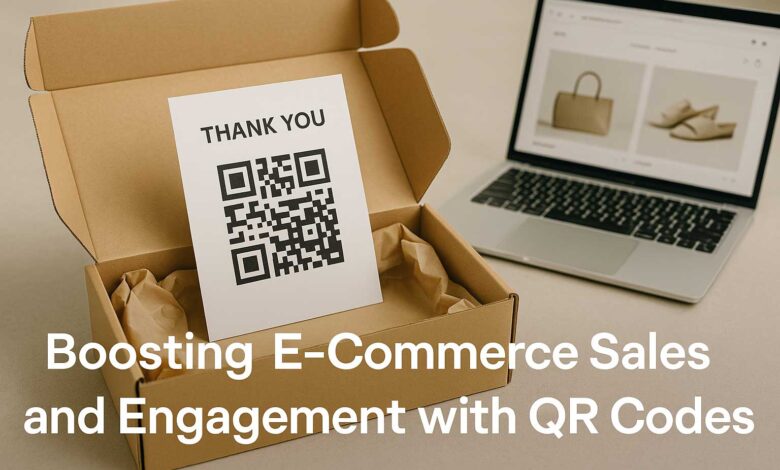
In a world where convenience and speed drive consumer behavior, QR codes have emerged as a powerful tool for e-commerce brands looking to bridge the gap between physical and digital touchpoints. What once seemed like a passing tech trend is now a staple in modern marketing, customer service, and product packaging. For e-commerce stores, QR codes offer a low-cost, high-impact way to enhance customer experience, drive repeat purchases, and build brand engagement.
Feel free to use our QR Code generator to get started.
Why QR Codes Matter in E-Commerce
QR (Quick Response) codes are scannable barcodes that store information and link users directly to digital content. In e-commerce, they streamline customer journeys—whether it’s sending someone to a product page, collecting feedback, or offering discounts after purchase. With smartphone-native scanning now standard, the friction is gone. Customers don’t need a separate app—just a camera.
By strategically placing QR codes in both digital and physical contexts, e-commerce brands can:
- Increase customer retention and lifetime value
- Simplify the post-purchase experience
- Cross-promote products or content
- Collect reviews or feedback
- Build loyalty and social proof
Let’s break down the most common uses of QR codes in e-commerce and how they can be leveraged to drive real results.
1. Product Info & “Shop Now” QR Codes
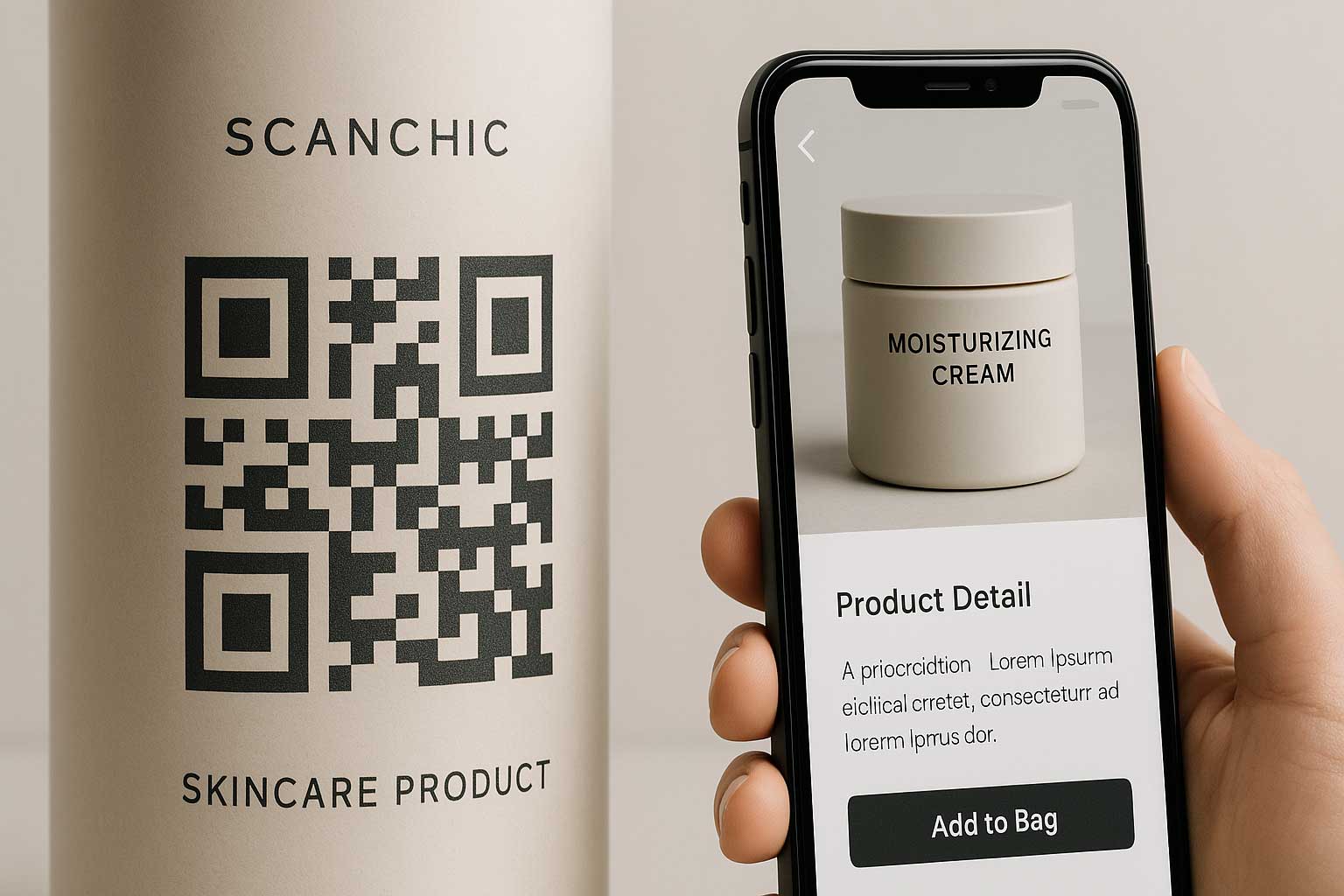
Use Case: Product packaging, unboxing inserts, influencer gift bundles
How It Works: A QR code on packaging or promotional material can take the user straight to a product detail page or “Buy Now” button. This is especially effective when bundling items or cross-promoting related products. Got a limited edition drop? Put the QR code on postcards or stickers inside packages to generate hype.
Example: A skincare brand includes a QR code on their moisturizer box that links directly to a new serum in the same product line, encouraging add-on purchases.
2. Discount & Loyalty QR Codes
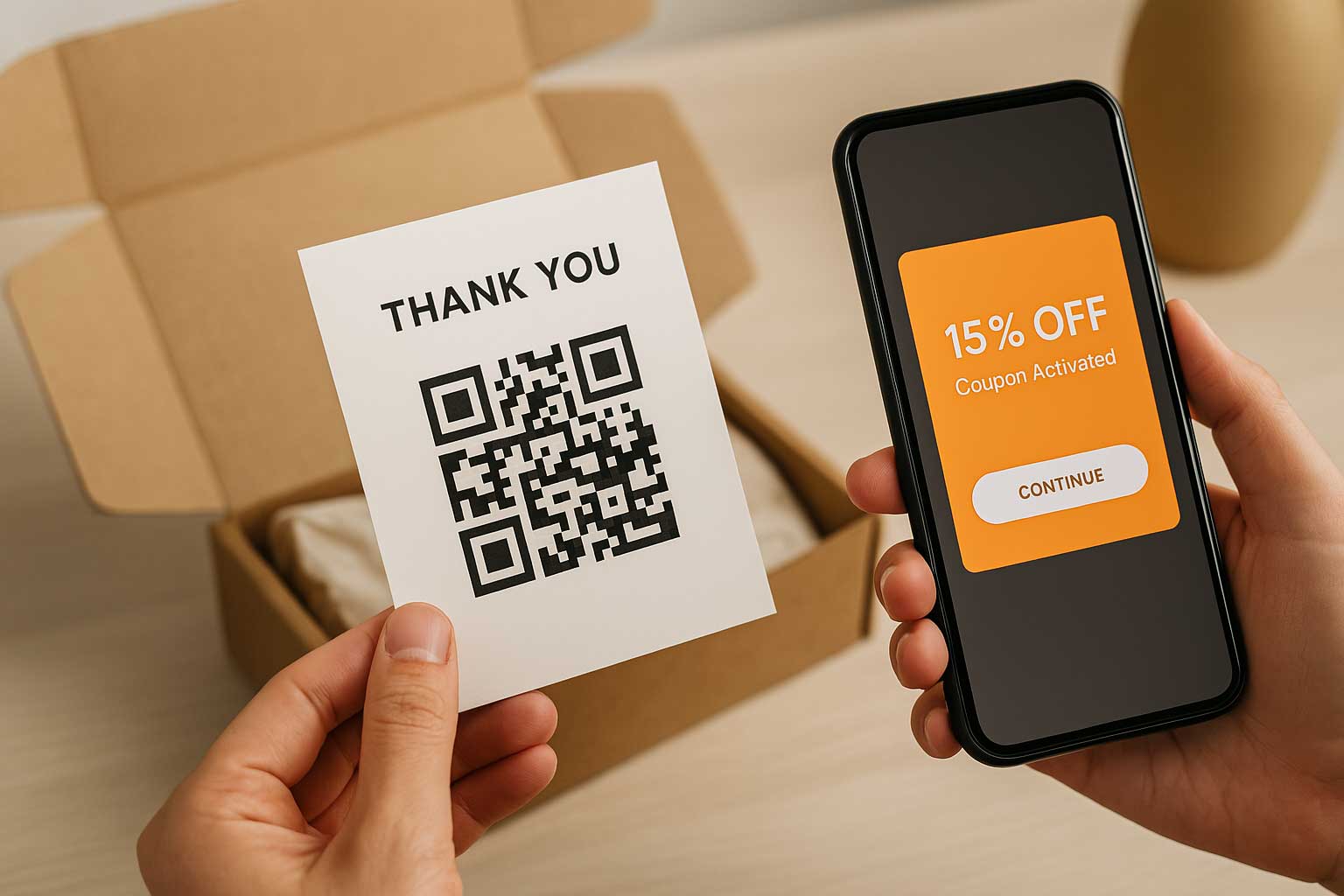
Use Case: Thank-you cards, order confirmation emails, pop-ups at checkout
How It Works: QR codes can instantly apply a discount code or take users to a hidden landing page with an exclusive offer. This can be used to drive immediate repeat purchases or convert first-time buyers into loyal customers.
Example: After a purchase, the customer scans a thank-you card QR code to get 15% off their next order. The landing page also prompts them to join the brand’s loyalty program.
3. Social Media & UGC (User-Generated Content) QR Codes
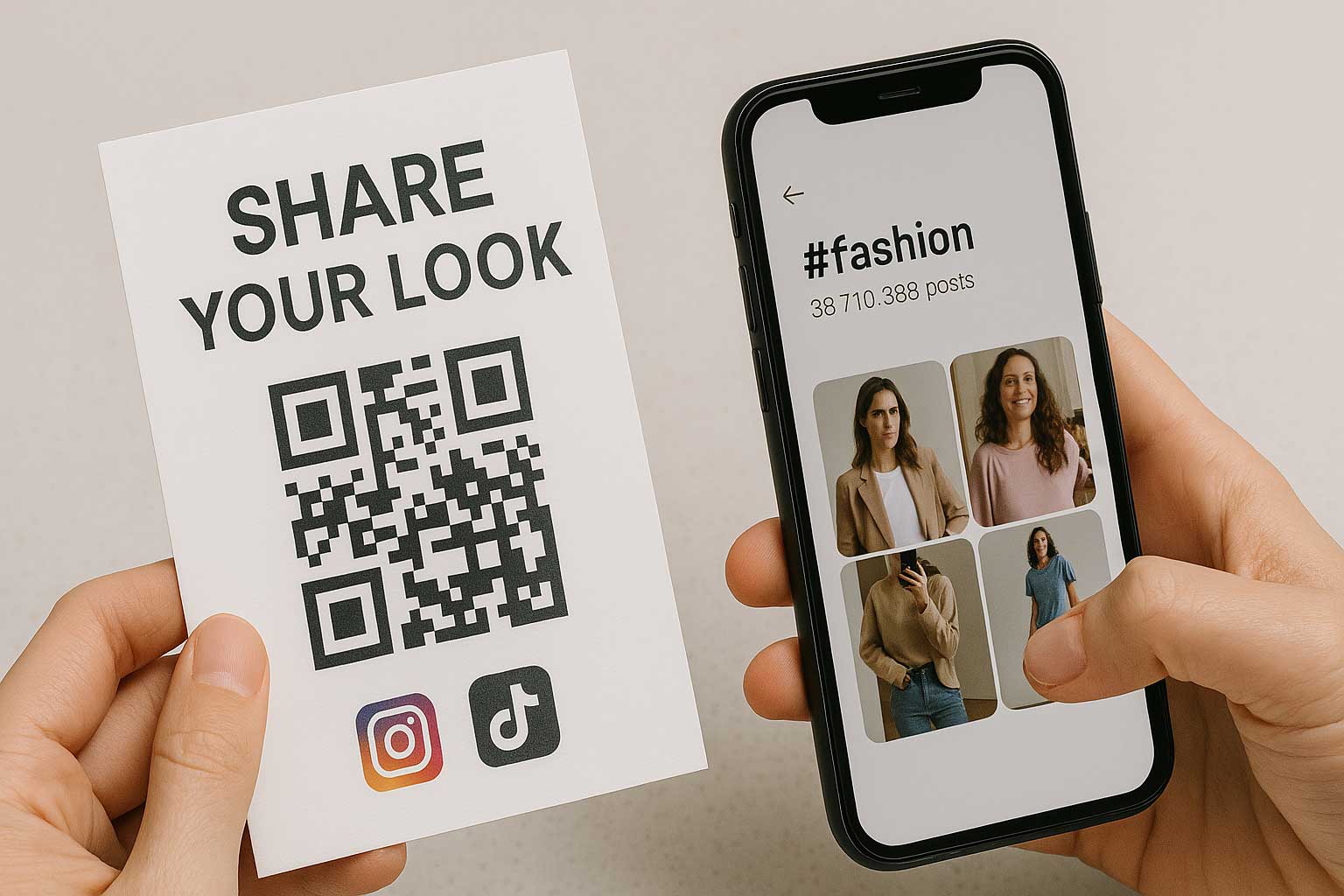
Use Case: Package inserts, printed materials, event booths
How It Works: A QR code can guide customers to your Instagram, TikTok challenge, or branded hashtag page, encouraging them to share their experience or follow the brand. It’s a smart way to fuel user-generated content and grow your community.
Example: A clothing brand includes a QR code inside every shipped box that says, “Share your look!” and links to a TikTok hashtag challenge where customers can win store credit.
4. Post-Purchase Review QR Codes
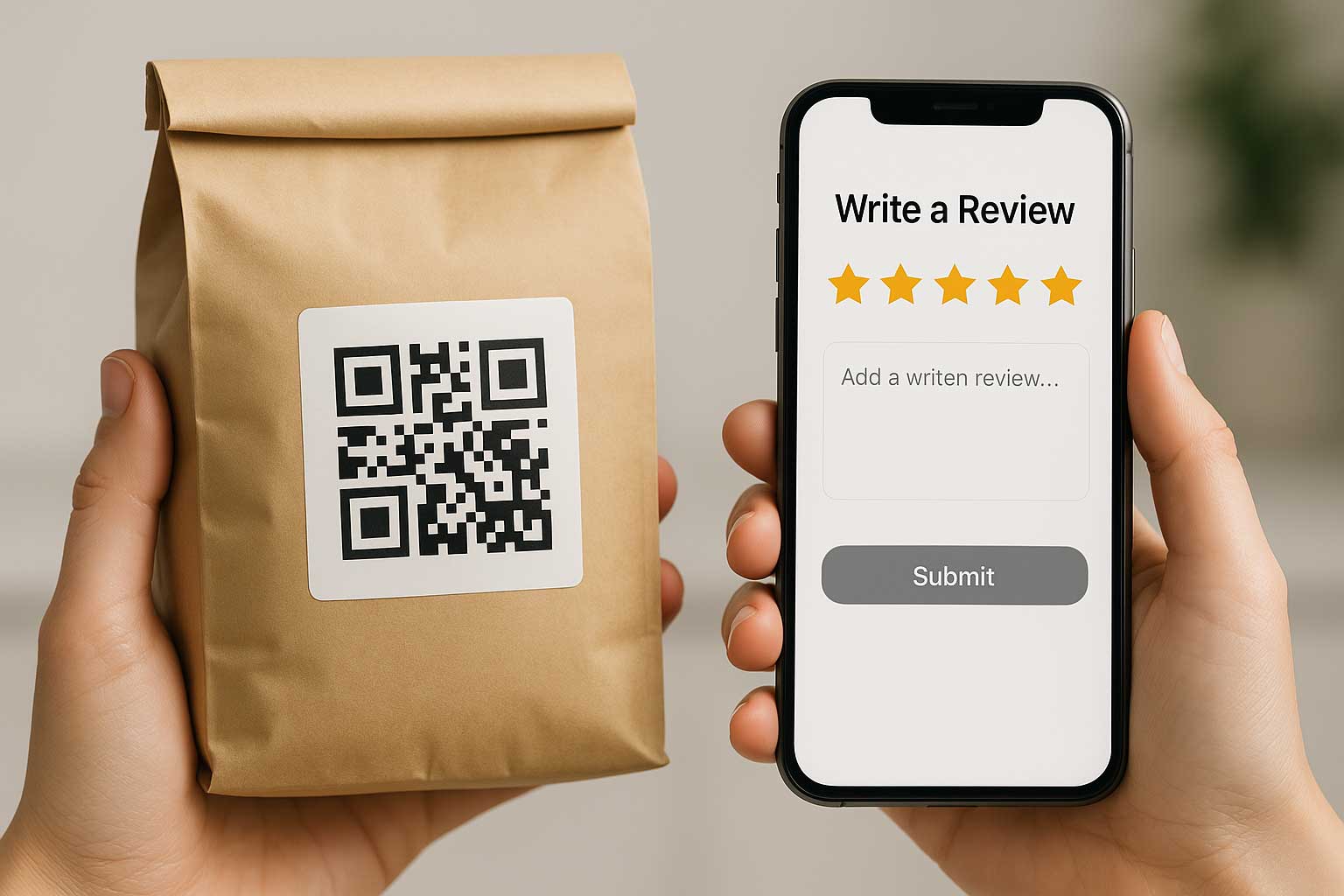
Use Case: Receipts, email follow-ups, product tags
How It Works: After receiving a product, a customer scans a QR code that takes them directly to a review form. The faster and easier it is, the more likely they are to leave a review—building your social proof engine.
Example: A coffee subscription company includes a QR code on their recyclable coffee bag that asks, “Love your brew? Tell us!” linking to their review platform.
5. How-To & Instructional QR Codes
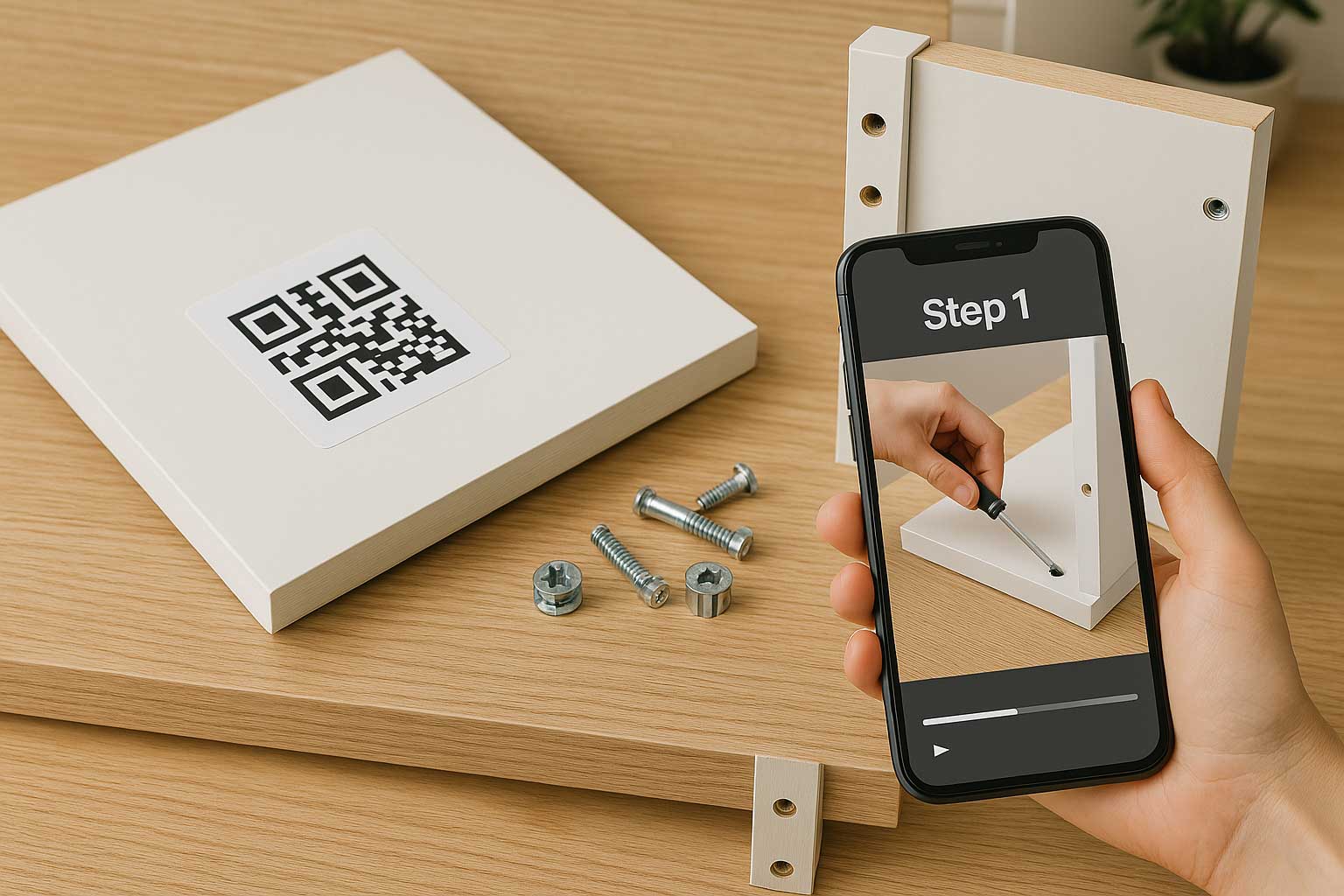
Use Case: Assembly instructions, tutorials, onboarding guides
How It Works: Instead of bulky manuals or long instruction sheets, QR codes take customers straight to helpful video tutorials or FAQ pages. It’s more engaging and reduces returns caused by confusion.
Example: A furniture brand includes a QR code on a leg of the table that leads to a 3-minute setup video. Customers follow along with ease, leaving them more satisfied with the experience.
6. In-Person to Online Bridge QR Codes
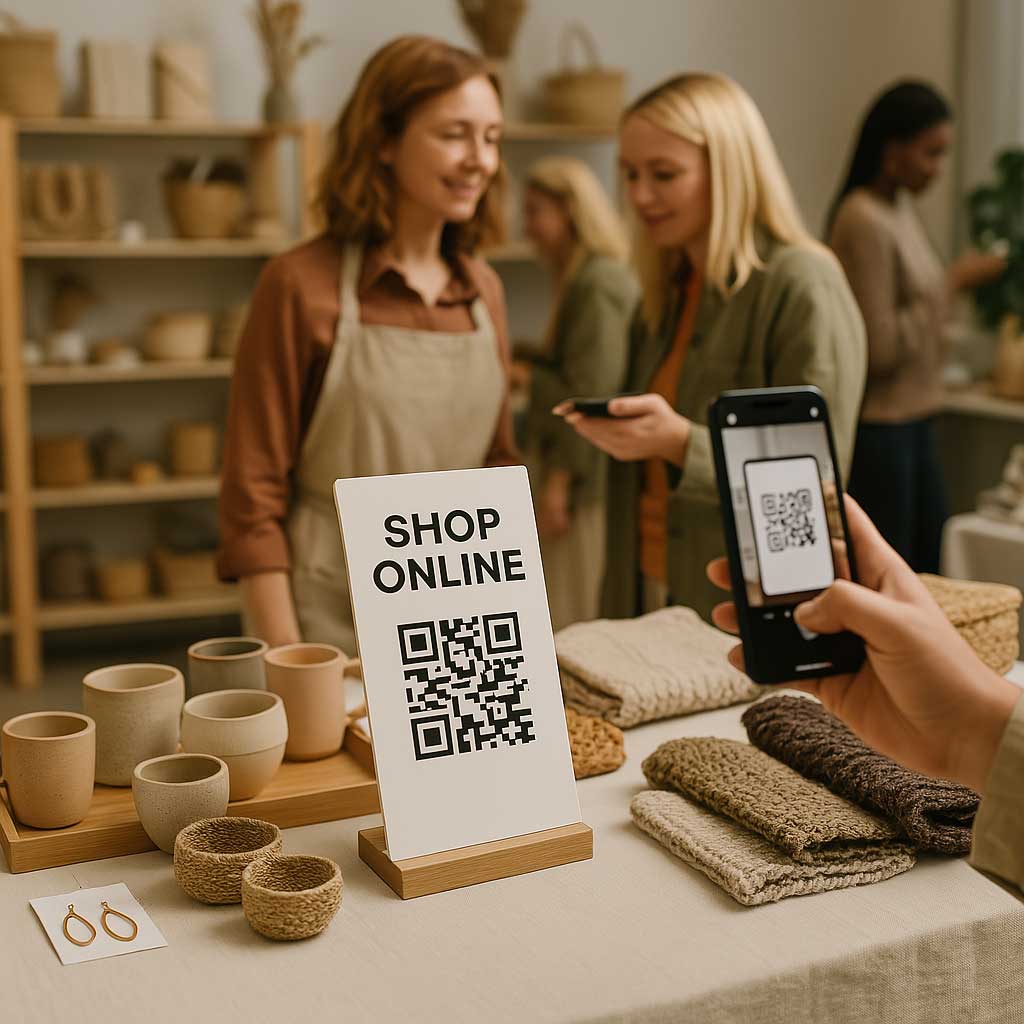
Use Case: Pop-up shops, trade shows, influencer meetups, packaging at retailers
How It Works: Physical touchpoints can convert into online engagement via QR codes. Whether it’s subscribing to a newsletter, entering a giveaway, or browsing the full online catalog, QR codes make it seamless.
Example: At a weekend market stall, a handmade jewelry seller displays a QR code at checkout that links to their full Shopify store. Shoppers who didn’t purchase immediately can browse and buy later.
QR codes are simple, but when used with intention, they become a powerful tool to deepen your customer relationships, extend the lifetime value of each purchase, and drive measurable growth. They’re also easy to create, trackable, and endlessly versatile.
If you’re not using QR codes yet in your e-commerce strategy, now’s the time to experiment. Start small—add one to your thank-you card or packaging—and track the results. Chances are, your customers will appreciate the convenience, and you’ll appreciate the conversions.