How to Maintain a Healthy E-mail Subscriber List for Your E-commerce Store

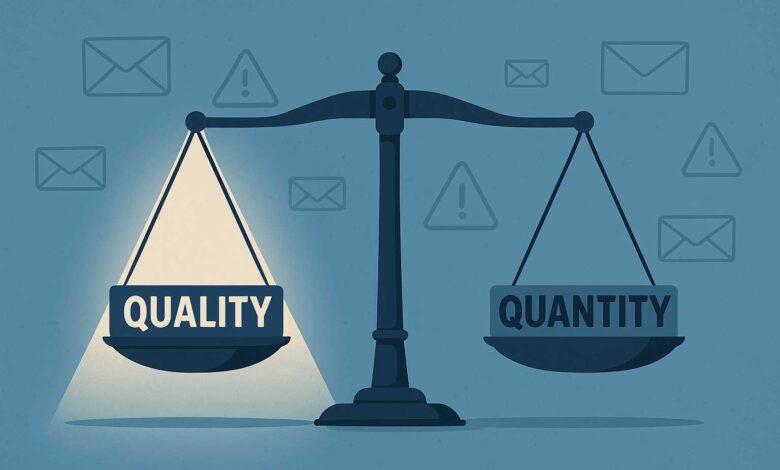
Email is one of the highest-converting marketing channels available to e-commerce businesses. But while many brands focus on growing their email list, maintaining it is just as—if not more—important. A clean, active list boosts deliverability, engagement, and ultimately, revenue. On the other hand, a bloated list full of inactive or unverified emails can hurt your sender reputation, waste your budget, and lower your email performance across the board.
Let’s dive into how you can keep your email subscriber list in top shape so it continues to be a reliable revenue channel for your store.
Why List Maintenance Is Crucial
At first glance, it might seem like the more subscribers you have, the better. But if a large portion of those subscribers aren’t opening your emails—or worse, marking them as spam—it can negatively affect your entire email marketing strategy.
Email service providers (ESPs) like Gmail, Outlook, and Yahoo judge your sender reputation based on how subscribers interact with your emails. If you’re consistently emailing unengaged or invalid addresses, ESPs will start sending your emails to the spam folder—or block them entirely. That means even your most loyal customers might never see your messages.
By maintaining a healthy list, you increase the chances of your emails actually reaching inboxes, getting opened, and converting into sales. Plus, it keeps your marketing costs down—many email platforms charge based on subscriber count, so there’s no point paying for subscribers who never interact with your brand.
Signs Your List Needs Cleaning
If you’re seeing a decline in performance, your list might be trying to tell you something. Here are the key signs that it’s time to give your list a refresh:
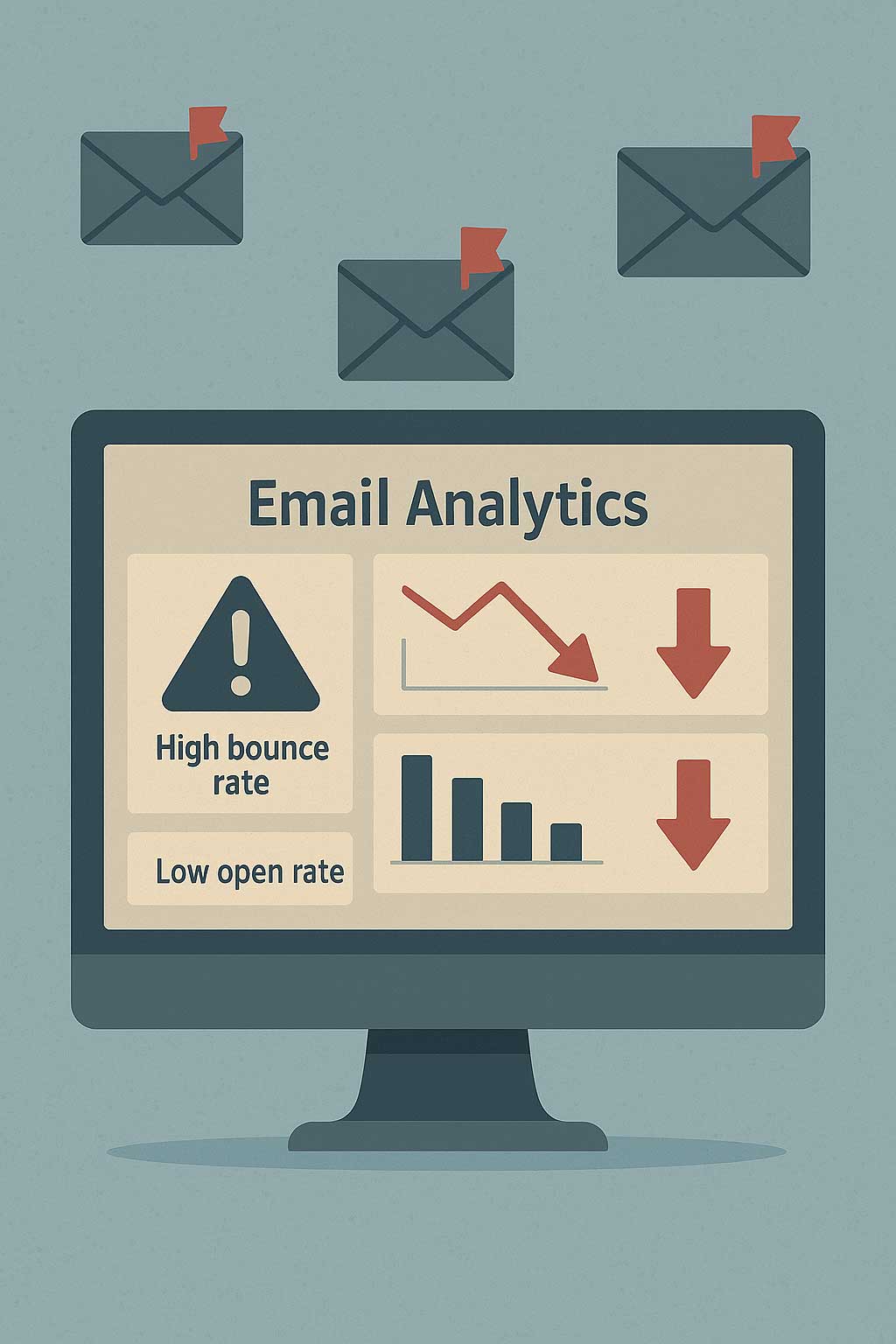
- High Bounce Rate: This happens when you’re sending emails to invalid or inactive addresses. Too many bounces will get you flagged by email providers.
- Low Open or Click Rates: If subscribers aren’t engaging with your emails, they might no longer be interested, or your content might not be reaching them.
- Increased Spam Complaints: People might be marking your messages as spam, which can hurt your deliverability.
- Inactive Subscribers: If someone hasn’t opened or clicked any emails in 3–6 months, they’re essentially dead weight on your list.
A spike in any of these metrics is your cue to act fast before it affects your entire campaign performance.
How to Clean Your Email List
Cleaning your list doesn’t mean getting rid of valuable subscribers—it means focusing on the ones who actually want to hear from you.
- Start with Bounces: Remove email addresses that result in hard bounces immediately. These are permanent failures, usually because the address doesn’t exist.
- Identify Inactives: Sort out subscribers who haven’t opened or clicked an email in 90+ days. These people are most likely uninterested or unreachable.
- Run a Re-engagement Campaign: Before removing inactive users, try to win them back. Send an email like, “Still want to hear from us?” and offer a small incentive like a discount or free shipping. If they engage, keep them. If not, it’s safe to let them go.
- Use Double Opt-In: This ensures subscribers really want to be on your list. It reduces fake signups and keeps your list clean from the start.
- Use List Cleaning Tools: Platforms like ZeroBounce and NeverBounce can validate email addresses and detect risky contacts before they impact your performance.
Regular list hygiene should be built into your monthly or quarterly marketing routine.
Segmenting for Better Performance
Not all subscribers are the same, and treating them that way is a missed opportunity. Segmentation allows you to send personalized content to specific groups within your list based on behavior, preferences, or demographics.
Here are some ways e-commerce stores can segment their lists:
- First-Time Buyers vs. Repeat Customers: New buyers might need more educational content, while loyal shoppers appreciate VIP treatment or early access to sales.
- Cart Abandoners: Follow up with these customers using tailored reminders or time-sensitive discounts.
- Category-Based Segmentation: If someone regularly shops in your home decor section, send them targeted content around new arrivals in that category.
- Engagement Level: Send more frequent emails to highly engaged users and slow down for those who are less responsive.
Targeted emails consistently outperform generic blasts. You’ll see higher open and click-through rates—and your subscribers will appreciate the relevancy.
Keep Subscribers Engaged
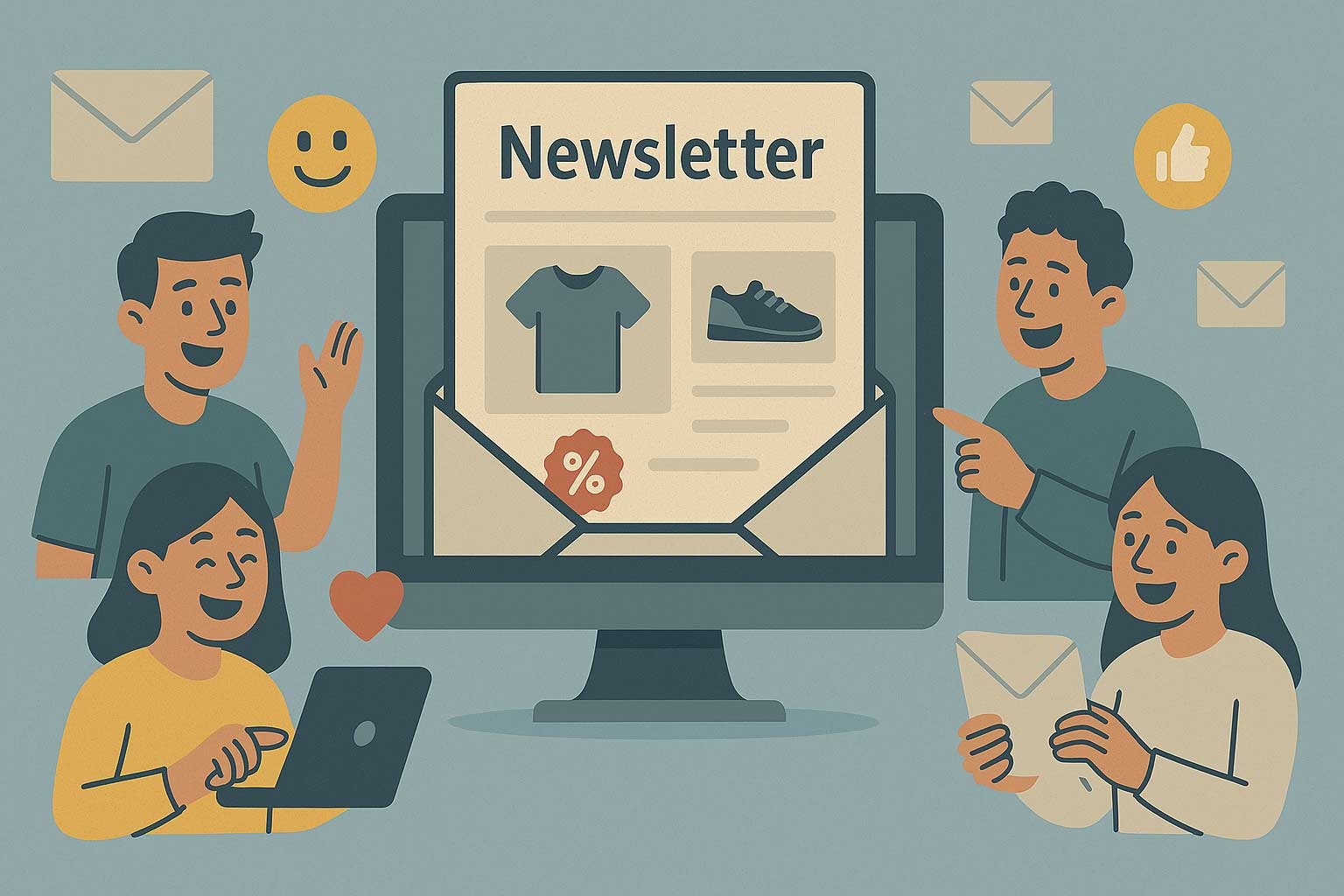
An engaged list is a healthy list. Your goal should be to keep people interested and looking forward to your emails, not ignoring or deleting them.
Start by setting expectations with a strong welcome email. Let subscribers know what kind of content they’ll receive and how often. Then, consistently deliver value. That doesn’t always mean discounts—think tips, inspiration, how-to guides, sneak peeks, and behind-the-scenes content.
Here are a few ideas to boost engagement:
- Personalize the experience: Use names, location-based offers, or product recommendations based on past purchases.
- Vary your email types: Mix in promos, educational content, brand stories, or product tutorials.
- Test subject lines and visuals: Use A/B testing to understand what resonates most with your audience.
- Allow frequency control: Let subscribers choose how often they want to hear from you (e.g., weekly, monthly).
By delivering content that your audience finds valuable, you’ll keep engagement high and reduce the risk of unsubscribes or spam complaints.
Stay Compliant with Regulations
Email regulations exist to protect consumers from spam and to help businesses communicate more responsibly. Ignoring these can lead to legal trouble or being blacklisted by email providers.
Here’s how to stay compliant:
- Always include an unsubscribe link: This is required by laws like CAN-SPAM and GDPR. Make sure it’s easy to find.
- Collect consent: Don’t buy email lists. Only email people who have opted in to hear from you.
- Be transparent: Let users know what they’re signing up for and how often they’ll receive messages.
- Honor unsubscribe requests promptly: You should remove unsubscribed users from your active list within 10 days or less.
- Keep a record of opt-ins: Especially if you’re operating in regions covered by GDPR or similar regulations.
Good compliance isn’t just about legal safety—it’s about building trust with your audience.
Tools That Help You Maintain Your List
Managing all of this manually would be overwhelming—but thankfully, there are tools that make list maintenance easier and more effective.
- Email Platforms: Most modern platforms like Klaviyo, Mailchimp, and ActiveCampaign offer built-in features for cleaning inactive subscribers, tracking engagement, and automating re-engagement campaigns.
- List Verification Services: Use tools like ZeroBounce, NeverBounce, or BriteVerify to identify and remove invalid or risky email addresses.
- CRMs and Integrations: A solid CRM can help you track customer behavior across your store and tailor your email strategy accordingly. Many CRMs also sync with your email platform, making segmentation and automation even easier.
Investing in the right tools saves time and increases your marketing ROI.
Email marketing works—when your list is healthy. By actively maintaining your subscriber list, you protect your sender reputation, improve deliverability, and ensure you’re speaking to people who want to hear from you. That means more opens, more clicks, and more sales.
Don’t wait until your metrics start to slide. Take a few minutes this week to run a list health check, segment your audience, or launch a re-engagement campaign. Your email list should be an asset, not a liability.