Inboxes are crowded. Algorithms are aggressive. And attention spans are at an all-time low. In this environment, even the most well-meaning email campaigns often fail to leave a mark. Yet, every so often, an email lands that not only gets opened but also gets clicked—and remembered. The difference rarely comes down to flashy design or a massive contact list. It comes down to the basics.
This article outlines the core principles behind effective email marketing. Whether you’re building your first campaign or refining a seasoned strategy, mastering these fundamentals can dramatically shift how your audience engages with your messages.
Why Most Emails Go Unread

Email remains one of the most powerful marketing tools available—when done right. Unfortunately, most emails are dismissed within seconds, often without even being opened. The reasons are many, but they tend to fall into a few predictable categories:
- Poor targeting: Emails sent without regard for the recipient’s preferences or behavior feel irrelevant and interruptive.
- Unclear messaging: If the reader can’t immediately understand the value of the email, it’s easier to delete than to engage.
- Overload: Some brands simply send too many emails, desensitizing their audience. For more information about sending too many emails, watch If You’re Using Email Marketing, You’re Wasting Money
On the receiving end, people are ruthless with their inboxes. They make decisions quickly, often in a split second. That decision is rarely logical—it’s emotional, intuitive, and shaped by experience. If your previous emails disappointed or annoyed them, your next one might not even get a glance.
The first step toward better engagement is acknowledging the competition for attention and the need for focus in every campaign.
Step 1: Craft a Subject Line That Earns the Click
The subject line is your front door. It’s the first thing your audience sees, and it determines whether they choose to come inside. You have, on average, about 40–60 characters to make a compelling case.
Effective subject lines do at least one of the following:
- Spark curiosity without being misleading.
- Promise a clear benefit or result.
- Highlight urgency or relevance.
- Speak to the recipient’s interests or pain points.
Bad example: “Company Newsletter – April Edition”
Better example: “Struggling with inbox engagement? Here’s what worked for us.”
While emojis and personalization tokens can help, they should never be used as gimmicks. A/B testing subject lines regularly is a smart habit. Even small tweaks—such as reordering words or posing a question—can lead to significantly higher open rates. For a deeper dive into crafting subject lines that pique interest, consider exploring our guide on Using Curiosity Gap Strategy in Email Marketing Campaigns.
Step 2: Write with a Human Voice
Once the subject line earns the open, the body of your email must deliver on its promise—and quickly. Many marketers make the mistake of writing emails that feel like formal memos or promotional flyers. Readers respond far better to a tone that feels natural and conversational.
Here’s how to write like a human:
- Use plain language. Avoid jargon and buzzwords.
- Be concise. Keep paragraphs short and focused.
- Write in the second person. Use “you” to create a direct connection.
- Structure for scanning. Use bullet points, bold highlights, and visual breaks.
Tone is key. Your reader should feel as though the email was written for them, not at them. Even in B2B contexts, personality matters. People buy from people, and the most persuasive emails read like one person helping another solve a specific problem.
Step 3: Personalize Beyond the First Name
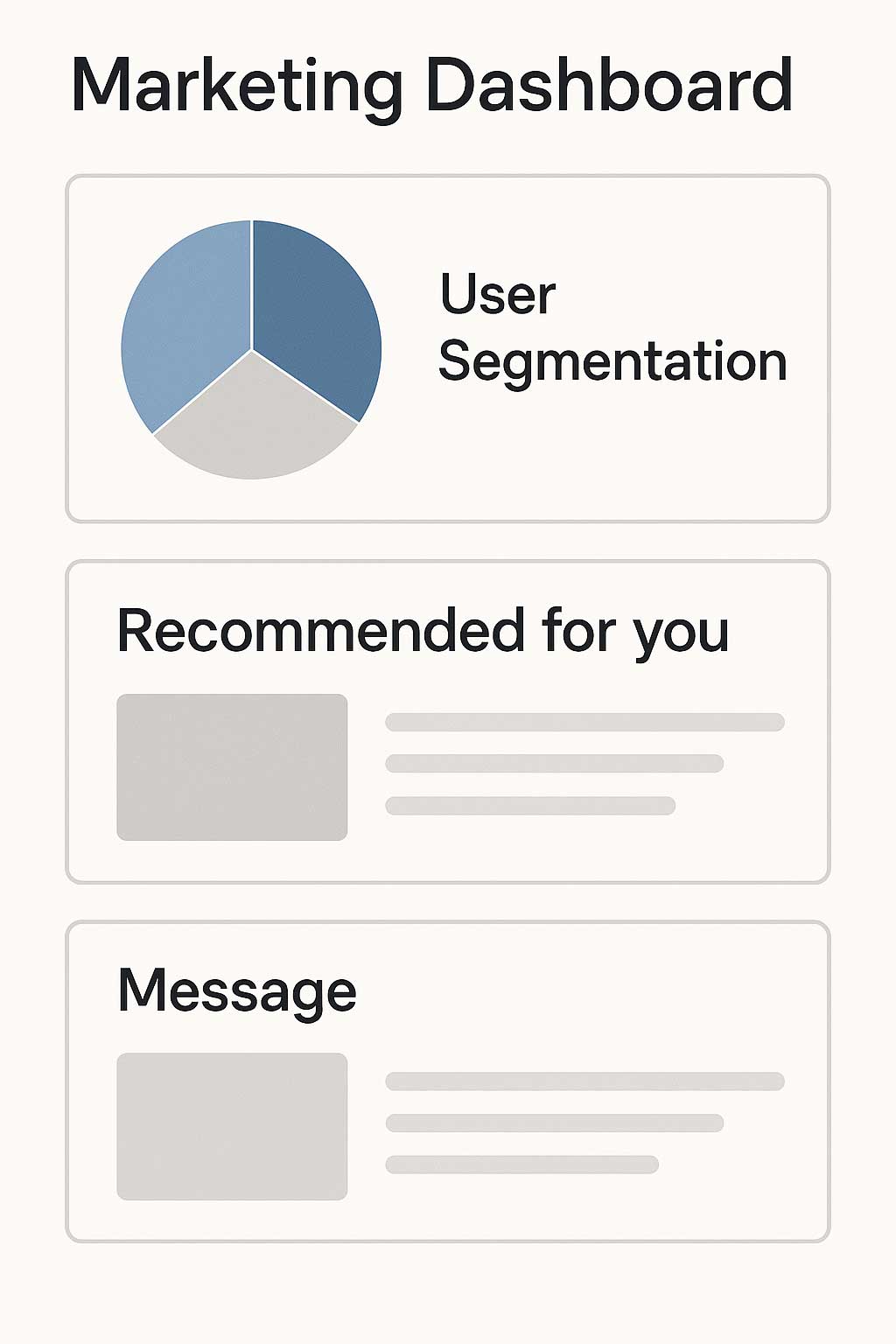
Adding someone’s first name to an email is a start, but true personalization goes deeper. It’s about relevance, timing, and content that feels tailored to the reader’s journey.
Effective personalization may include:
- Segmenting your list by behavior (e.g., recent purchases, abandoned carts, email clicks).
- Using dynamic content to serve different messages to different audience types.
- Sending triggered emails based on specific actions (or inaction).
For instance, if a customer browses a product but doesn’t buy, a gentle reminder email offering helpful tips or social proof can feel timely and welcome. If they recently made a purchase, a follow-up email with related items or usage tips feels thoughtful and useful.
The goal is to make the recipient feel seen—like they’re more than a line item in a database.
Step 4: Focus on One Clear Call to Action
Every marketing email should have one job. That job might be getting someone to sign up for a webinar, redeem a coupon, download a guide, or visit a landing page. The more you dilute the purpose, the more your reader hesitates.
Best practices for CTAs include:
- Being specific: Instead of “Click here,” say “Download the Free Report.”
- Designing for visibility: Use buttons with ample padding and contrasting colors.
- Placing it strategically: Your CTA should be visible without scrolling, and repeated (in subtle ways) further down the message.
Resist the urge to include multiple CTAs for different actions. While it might seem efficient, it often creates confusion. One email, one purpose—that’s the rule.
Step 5: Keep the Design Clean and Mobile-Friendly
More than 60% of emails are now opened on mobile devices. If your email isn’t optimized for small screens, it may not be read at all. And while beautiful design can add polish, it should never come at the cost of clarity or function.
Tips for email design:
- Use responsive templates that adapt to different screen sizes.
- Keep font sizes legible and line spacing generous.
- Avoid image-only emails, which may be blocked or slow to load.
- Limit the use of columns and complex layouts that don’t translate well to mobile.
Whitespace is your friend. It gives your message room to breathe and draws attention to the elements that matter most—your message and your CTA.
Final Touches: Testing, Timing, and Tone

Even a well-written, beautifully designed email can underperform if the delivery details aren’t right. Smart marketers use the final phase of campaign creation to fine-tune the small things that have big impact.
- A/B testing helps you identify which subject lines, CTAs, or even send times yield better results.
- Timing can vary by audience and industry. Some audiences prefer morning emails; others respond better in the afternoon or evening. Let your data guide you.
- Voice consistency builds brand trust. From subject line to signature, your emails should reflect your brand personality—whether that’s bold and energetic, calm and reassuring, or something in between.
These small decisions, repeated consistently, are what create long-term improvements in open rates, click-throughs, and conversions.
Email marketing doesn’t need to be complicated to be effective. It just needs to be intentional. By mastering the basics—writing clearly, speaking directly, personalizing authentically, and focusing on one goal at a time—you can create emails that your audience welcomes rather than avoids.
In a world where most emails are ignored, yours can be the one they look forward to.