How to Write Product Descriptions Like a Pro

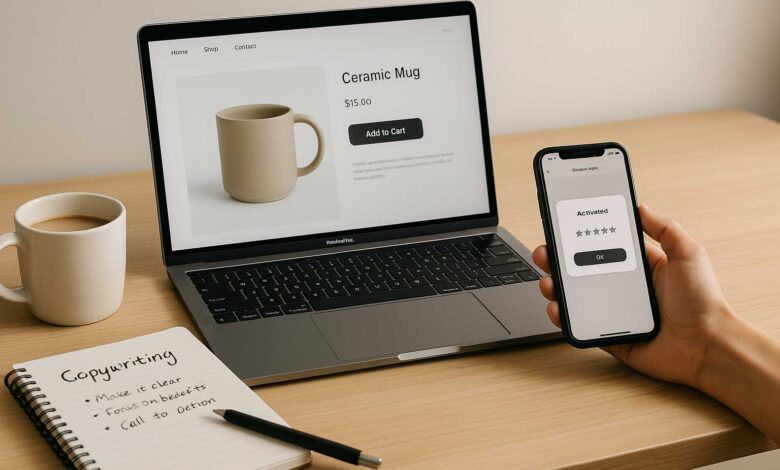
In the digital aisles of e-commerce, you don’t have the luxury of a sales associate to walk a customer through the features of a product. That role now belongs to your product description. A well-written product description does more than inform—it persuades, reassures, and excites. If you’re ready to turn browsers into buyers, here’s how to write product descriptions like a pro.
1. Know Your Customer First

Professional product descriptions begin long before the writing process—with research. Understanding your ideal customer is the foundation of effective copy. Who are they? What do they value? What problems are they trying to solve?
Start by asking:
- What’s their age range and lifestyle?
- Are they looking for luxury, durability, affordability, or style?
- What kind of language do they use themselves?
For instance, a product aimed at outdoor enthusiasts might focus on ruggedness and performance, using straightforward, no-fluff language. Meanwhile, a product for new moms might lean into comfort, safety, and emotional reassurance, with a warmer, more empathetic tone.
Pro tip: Review your customer reviews and competitor reviews. They’re full of insights into what matters most to your audience and how they describe your product in their own words.
2. Lead with Benefits, Back It Up with Features
One of the most common mistakes sellers make is focusing solely on technical specifications. But features tell, benefits sell. The goal is to connect a product’s characteristics to real-world value.
For example:
- Feature: “Waterproof up to 100 meters.”
- Benefit: “Swim, surf, or dive without worry—your gear stays dry.”
This shift turns an objective fact into a compelling reason to buy. Think about how each feature improves the customer’s life and explain it in everyday language.
Structure idea: Start with a strong benefit statement, follow up with a few key features, then tie it all back to how it fits into the customer’s lifestyle.
3. Keep It Clear, Concise, and Scannable
Time is precious online. Shoppers skim. That means your product descriptions need to be clean, structured, and digestible.
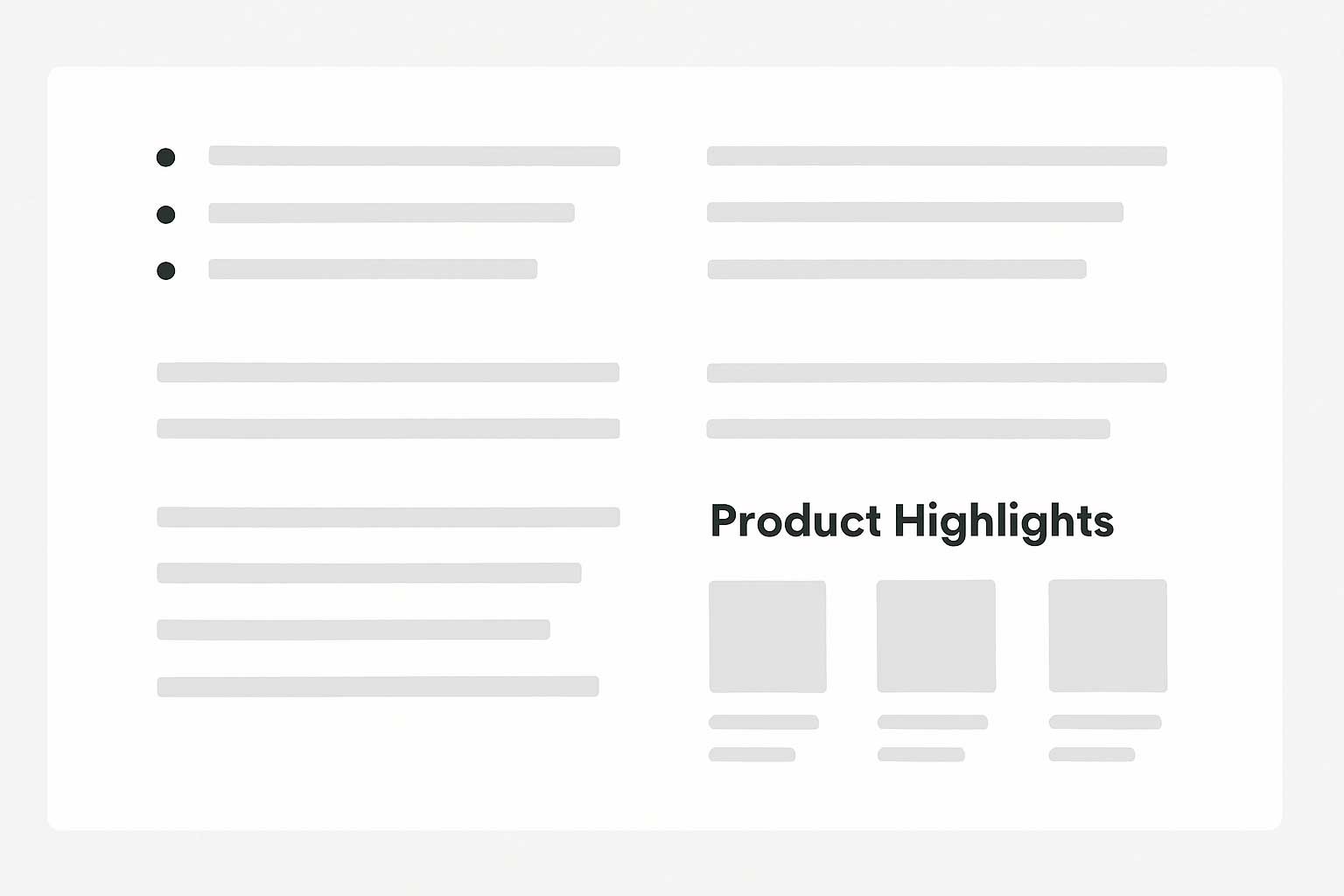
Use:
- Short paragraphs: 1–2 sentences max.
- Bullet points: Highlight key benefits or standout features.
- Headings: Guide the eye to specific sections like “Materials” or “Fit & Sizing.”
For example:
Why You’ll Love It:
- Ultra-soft organic cotton that breathes
- Pre-washed for no shrinkage surprises
- Reinforced seams for everyday durability
Avoid long-winded paragraphs, blocks of text, or overly technical jargon that forces readers to work to understand your product.
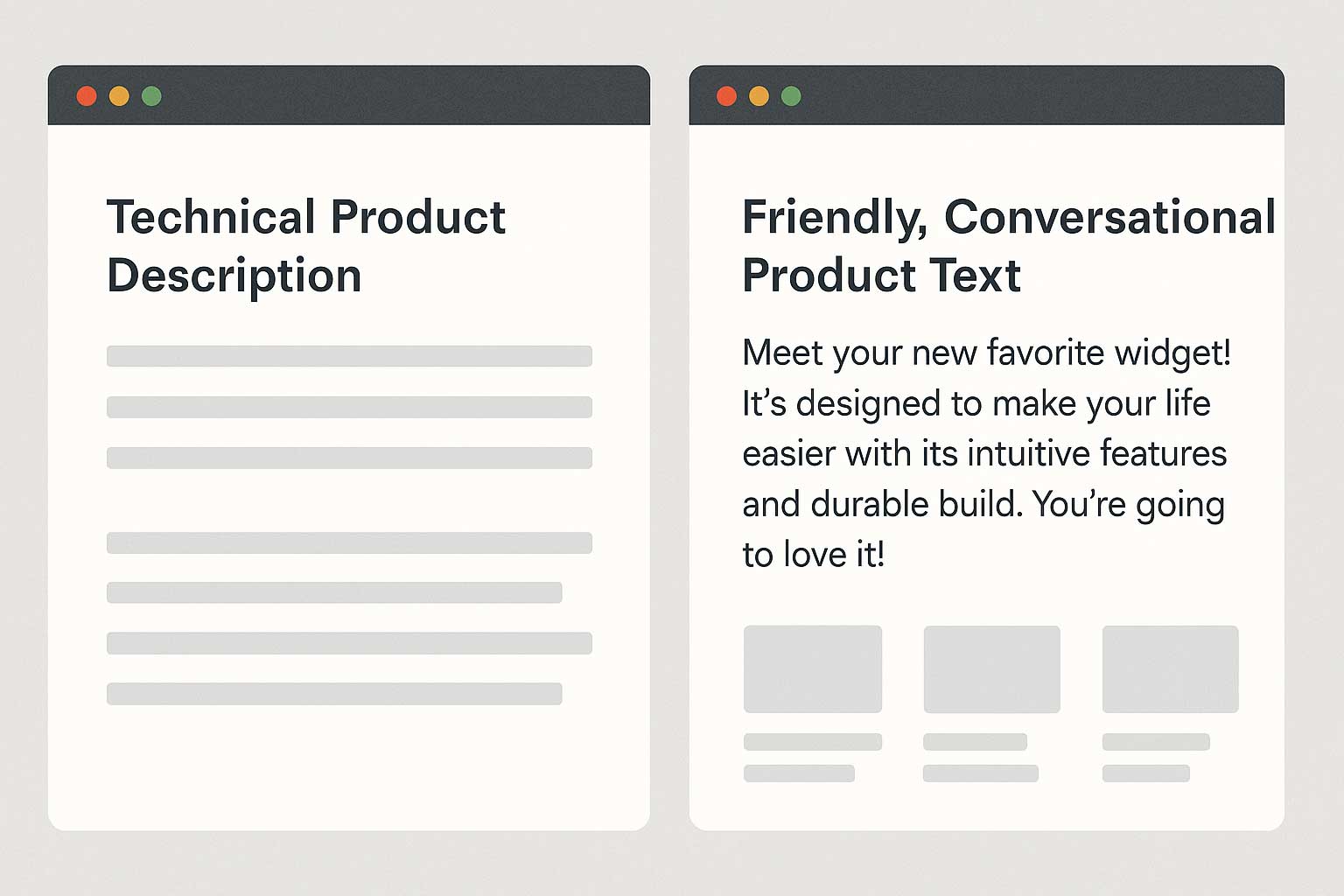
4. Write Like a Human, Not a Catalog
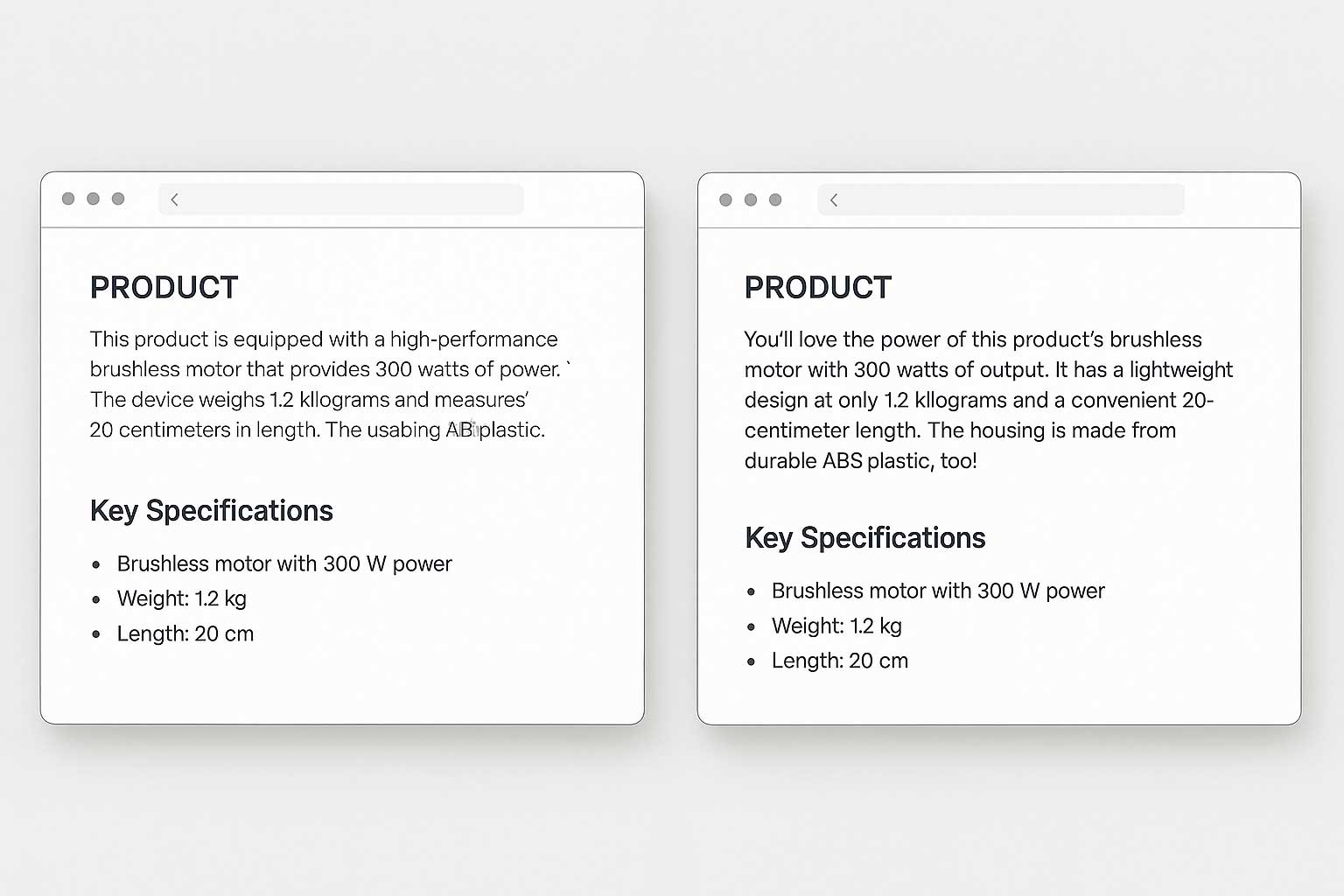
Authenticity wins. The days of robotic catalog copy are long gone. Today’s consumers want to feel like a real person is talking to them. Conversational language builds connection and trust.
Instead of:
“This product is manufactured to industry standards using premium materials.”
Try:
“Built to last, made from the same tough materials trusted by pros.”
Speak like your customer. If your audience uses emojis, slang, or humor, consider mirroring that tone in moderation. If your brand voice is polished and premium, keep it clean and confident. The key is consistency.
Pro tip: Read your copy aloud. If it doesn’t sound like something you’d say in a conversation, rework it.
5. Use Sensory and Action-Oriented Language
Product descriptions should do more than inform—they should help the customer imagine owning the product. One powerful way to do this is through sensory language and dynamic verbs.

Paint vivid mental images:
- “Wrap yourself in cloud-soft fleece after a long day.”
- “The zipper glides effortlessly—no snags, no stress.”
Help the reader feel the product through words—texture, weight, sound, even scent when relevant. Combine that with active language that puts the customer in the story:
- “Slide it into your carry-on.”
- “Light it, sip it, savor the moment.”
When customers can picture themselves using your product, they’re more likely to hit “Add to Cart.”
6. Address Objections Before They’re Asked
Every customer has hesitations. Your job is to remove those barriers before they stop the sale. Think about what might hold someone back:
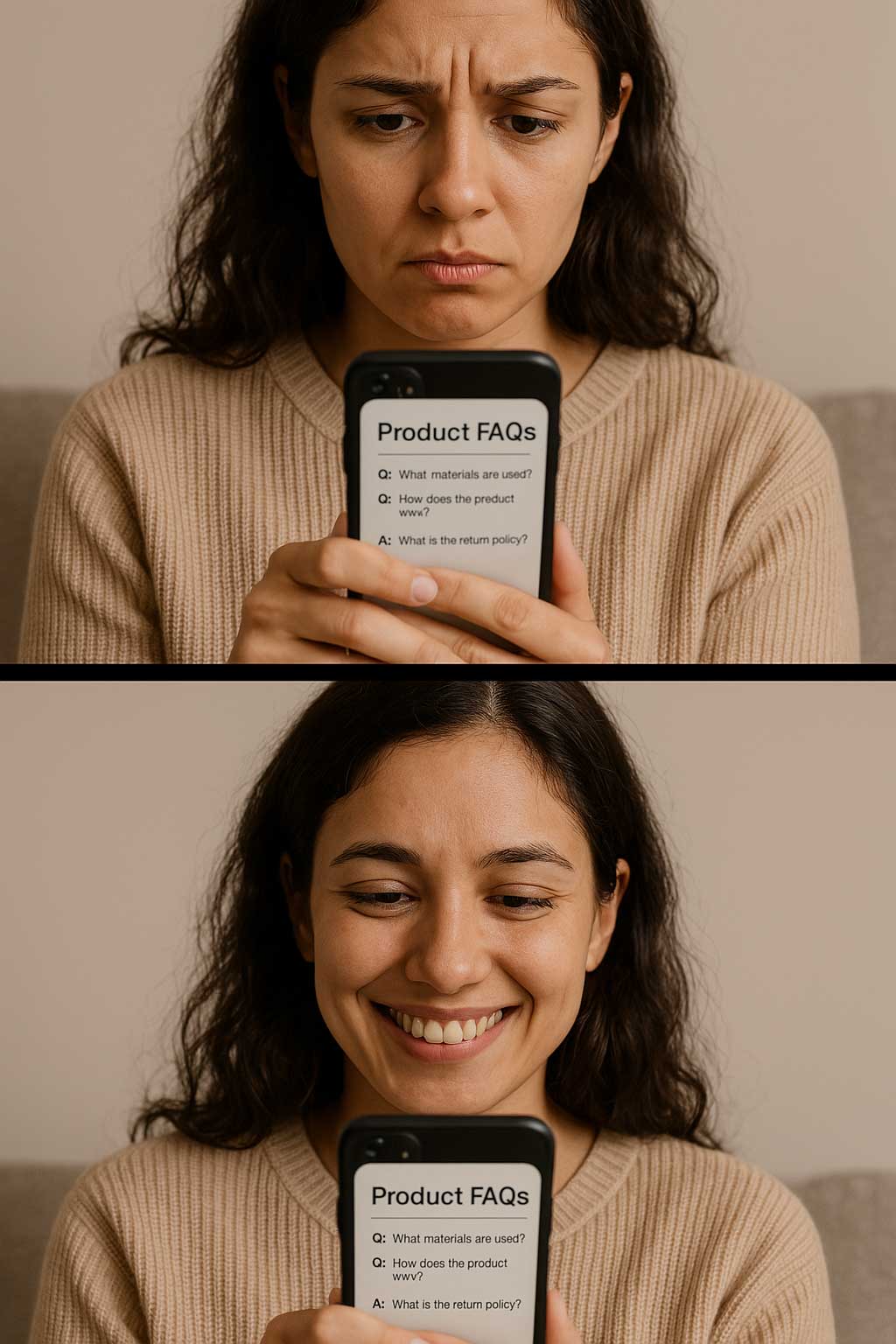
- Will it fit?
- Is it durable?
- Will it look the same in real life?
Preempt these objections with useful, confidence-boosting information:
“True to size with a relaxed cut—check our size chart for exact measurements.” “Tested to withstand over 10,000 hours of use.”
You can also highlight guarantees, return policies, or customer support to reinforce trust. Anticipating concerns makes the decision easier and faster for your customer.
7. Incorporate SEO Without Sounding Like a Robot
Product descriptions play a double role: they persuade humans and help search engines understand your product. But stuffing in keywords awkwardly is a fast track to a poor user experience.
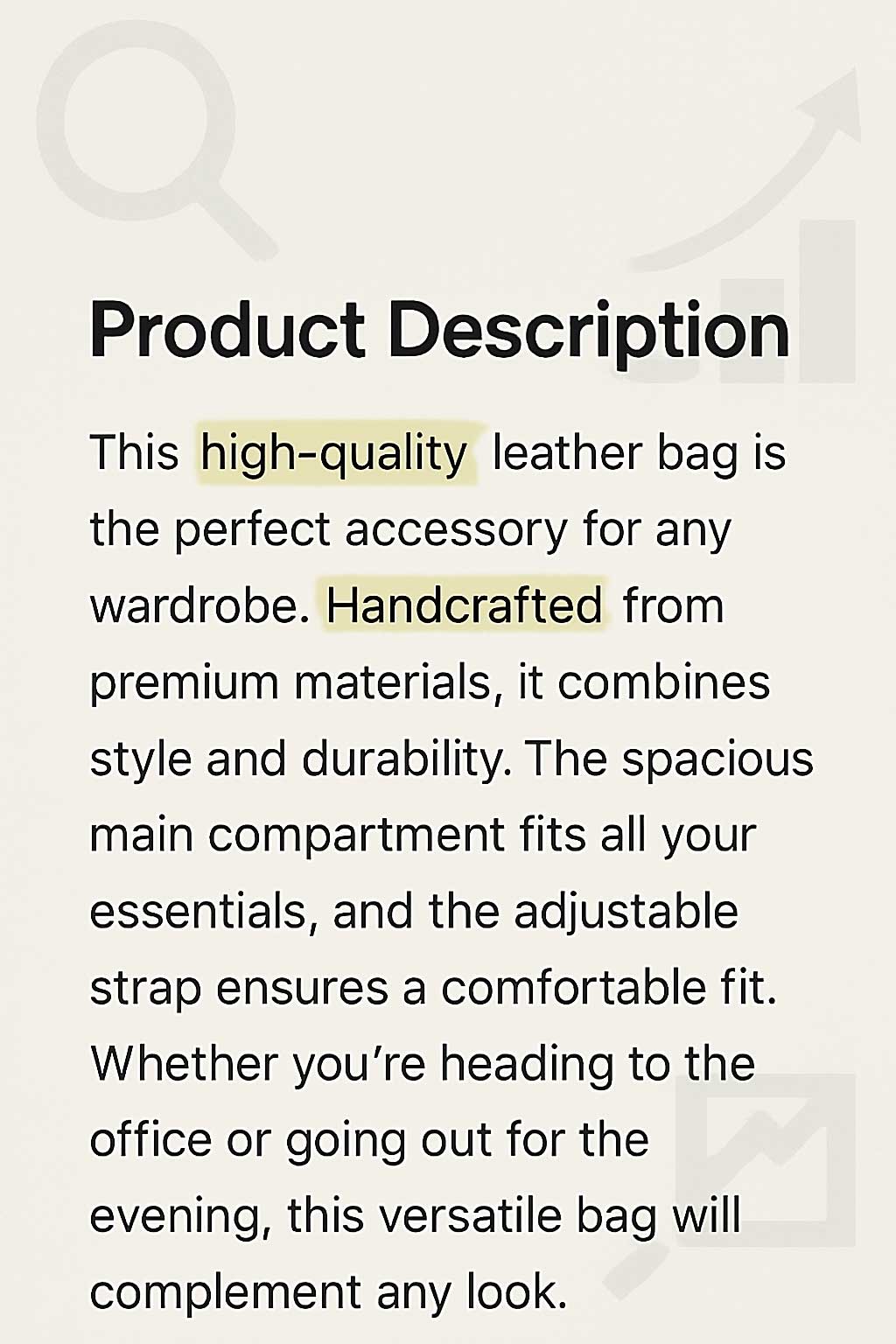
The goal is balance. Use your target keyword(s) naturally in the:
- Product title
- First sentence
- Bullet points
- Alt text for images (behind the scenes)
Instead of:
“Buy insulated stainless steel travel mug, best insulated mug, top-rated stainless mug…”
Try:
“This insulated stainless steel travel mug keeps your drinks hot for 12 hours and cold for 24—perfect for long commutes, hikes, or weekend adventures.”
You’re hitting SEO terms like “insulated,” “stainless steel,” and “travel mug” while writing for real people. Google (and customers) will thank you.
8. End with Subtle Persuasion
After you’ve done the heavy lifting, close with a gentle nudge. You don’t need a hard-sell “Buy Now!!!” approach. Instead, focus on reinforcing the emotional or practical value of the product.

Examples:
- “Ready for your next adventure? This pack’s got your back.”
- “Customers say they can’t leave home without it—try it and see why.”
You can also include soft urgency:
“Back in stock—but not for long.”
Or a final value reminder:
“Designed to last. Backed by our 2-year warranty.”
The closing line should leave the customer confident and motivated.
Make Your Descriptions Work as Hard as You Do
Writing product descriptions like a pro is less about flowery language and more about precision, empathy, and strategy. Every word should earn its place and move your customer closer to a “yes.”
The best product descriptions:
- Speak to a specific audience
- Show value beyond the specs
- Create a vivid mental picture
- Address concerns before they become problems
- Guide the customer toward a confident purchase
As the e-commerce space grows more competitive, small touches like well-crafted copy can have a massive impact on your bottom line. So whether you’re launching a single product or managing hundreds, investing in professional product descriptions is one of the smartest moves you can make.