Building a Well-Defined Loyalty Program Strategy: A Roadmap for E-Commerce Success

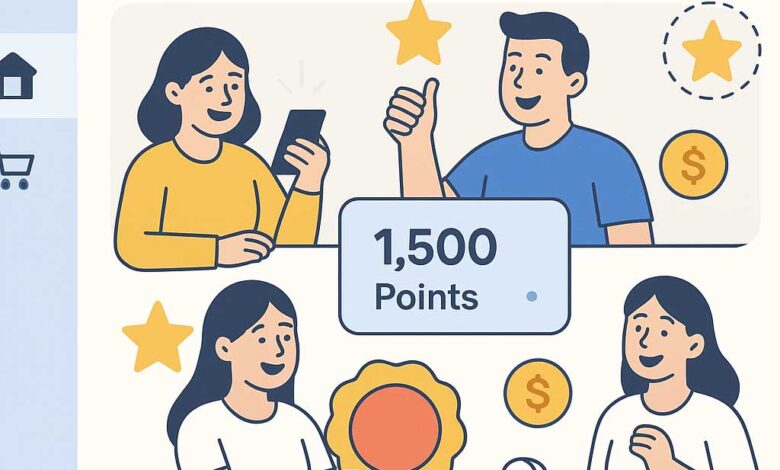
In the fast-moving world of e-commerce, it’s tempting to focus all your energy on customer acquisition. But here’s the thing—retaining customers is often more profitable. Acquiring a new customer can cost five times more than keeping an existing one. That’s where a robust loyalty program comes in.
However, not all loyalty programs are created equal. A points system slapped onto your store isn’t a strategy. A well-defined loyalty program aligns with your business goals, motivates customers, and becomes part of the customer journey—not just an add-on.
To build a loyalty program that truly delivers, it’s essential to combine strategic goals with a deep understanding of your customers. By aligning incentives with your brand and integrating them into the entire shopping journey, you can create a loyalty experience that feels natural and valuable. Here’s how to build a loyalty program that works for your business and your customers.
Define Your Loyalty Goals
Start by identifying what you want your loyalty program to accomplish. Loyalty programs can serve different purposes, from encouraging repeat purchases and increasing average order value to enhancing customer lifetime value (CLV) or boosting brand advocacy. Be specific in your goal-setting. Instead of saying “increase loyalty,” aim for measurable outcomes like “increase repeat purchases by 20% in Q2” or “grow the average order value by 15% among program members.”
Consider your current business stage. If you’re a newer brand, your focus may be on engagement, referrals, or building a community. More established businesses might prioritize reactivating lapsed customers or rewarding top-tier loyalists.
Clear goals ensure that your loyalty program isn’t just another marketing tactic—it’s a strategic initiative that drives growth.
Understand Your Customer Base
A loyalty program is only effective if it resonates with your audience. Take time to analyze your customer data to understand who your shoppers are, what motivates them, and how they behave. Use tools like Google Analytics, heatmaps, CRM insights, and post-purchase surveys to build a customer profile.
Segment your customer base into categories such as first-time buyers, frequent shoppers, high spenders, and dormant customers. Understanding these segments helps you tailor rewards, messaging, and offers in ways that make your program more relevant and effective.
Knowing your customer is the first step toward personalizing your loyalty experience, which leads to stronger emotional connections and increased retention.
Choose a Loyalty Program Structure
There are several proven models to consider, and the right one depends on your product category, average order value, and customer expectations.
- Points-Based Program: Customers earn points for each purchase, which they can later redeem for discounts or free products. It’s simple, familiar, and works well for most brands.
- Tiered Program: Create multiple levels (e.g., Bronze, Silver, Gold) where customers unlock better rewards as they move up. This taps into the psychology of achievement and encourages long-term loyalty.
- Paid/VIP Program: Customers pay a fee to access exclusive benefits like faster shipping, exclusive products, or dedicated support. Great for high-frequency or luxury buyers.
- Cashback/Store Credit: Offering a percentage of each purchase back as store credit delivers immediate perceived value.
- Hybrid Programs: Combine elements of the above (e.g., points + tiers) for added flexibility and broader appeal.
Choose a structure that aligns with your business goals and is easy for customers to understand and engage with.
Determine the Rewards
The value of your loyalty program lies in what customers get out of it. Your rewards should feel worth the effort, align with your brand values, and excite your target audience.
Rewards could include:
- Percentage discounts or dollars off
- Free shipping or expedited delivery
- Exclusive products or limited-edition items
- First access to sales, events, or product drops
- Gifts, samples, or personalized thank-you notes
- Experiential perks like styling sessions, invites to community events, or behind-the-scenes content
The best programs mix practical value with emotional gratification. Make customers feel appreciated and special, not just incentivized.
Make It Easy to Join and Understand
If customers have to jump through hoops to join or figure out your program, you’ll lose them. Simplicity and clarity are key.
Ensure the signup process is quick, whether on desktop or mobile. Avoid long forms and explain the benefits upfront. Use clear, concise language to explain how the program works:
- How to earn points or progress
- What rewards are available
- How and when they can redeem
Promote your program across your site—homepage, product pages, cart, checkout, and account dashboard. Visual cues like icons, progress bars, or pop-ups help keep it top of mind.
Integrate with the Customer Journey
Your loyalty program should show up throughout the entire customer experience, not just at checkout. Seamless integration across every stage reinforces your brand’s consistency and builds trust with your customers, making the program feel like a natural and valuable part of the shopping experience.
- Pre-Purchase: Use popups or banners to promote sign-up benefits, like bonus points or discounts for joining.
- During Purchase: Remind customers of their current status, points earned from the purchase, or how close they are to the next tier.
- Post-Purchase: Send follow-up emails with their updated rewards status and ideas on how to use their points.
Make the loyalty experience seamless and intuitive so it becomes part of the way your customers shop, not a separate task they need to manage.
Promote the Program
Even the best loyalty program won’t succeed if no one knows about it. Promotion is crucial.
Use multiple marketing channels to spread the word:
- Email: Send dedicated emails announcing the program, onboarding new members, and reminding them of rewards.
- Social Media: Create engaging posts, stories, and reels to explain how the program works and showcase happy customers.
- Paid Ads: Highlight program benefits in your acquisition campaigns.
- On-Site Messaging: Feature callouts and banners at key conversion points.
- Influencers/Ambassadors: Let your brand partners talk about their own experience with your program.
Keep the messaging consistent and focused on the value your customer will receive—whether that’s emotional (feeling appreciated or exclusive), financial (clear monetary savings or rewards), or experiential (access to events or unique perks). Tailoring the message to the type of value your audience prioritizes will increase engagement and participation.
Track Performance and Adapt
Once your program is live, measure its effectiveness using key performance indicators (KPIs):
- Program participation rate
- Redemption rate
- Repeat purchase rate of members vs. non-members
- Customer lifetime value
- Churn rate
Analyze what’s working and what isn’t. For instance, if redemption rates are low, it could mean customers don’t find the rewards appealing, or it’s too hard to redeem them. If your top customers aren’t enrolling, maybe the sign-up process is buried or unclear.
Be ready to test and iterate. Loyalty is a long game, and even small tweaks can lead to significant improvements over time.
Avoid Common Pitfalls
Plenty of loyalty programs fail—not because the concept is flawed, but because of avoidable mistakes.
- Overcomplicating the structure: Don’t make your customers do math or decode fine print. Simplicity wins.
- Weak rewards: If your rewards don’t feel valuable, customers won’t care.
- Low visibility: If customers don’t remember your program exists, they won’t use it.
- Lack of integration: Loyalty data should feed into your CRM, email marketing, and analytics tools.
Audit your program regularly to make sure it’s clear, compelling, and connected.
Review Successful Real-Life Examples
Looking at successful loyalty programs can spark inspiration:
- Sephora’s Beauty Insider: This tiered system rewards customers with increasingly exclusive perks. It’s aspirational but accessible.
- REI’s Co-op Membership: A paid program offering members a share of profits, exclusive pricing, and events. It speaks to their values-driven customer base.
- Starbucks Rewards: With points earned per purchase and an easy-to-use app, Starbucks makes it fun and effortless to be loyal.
What all of these programs share is a common thread: they’re designed around the customer experience, not just transactions. As you develop your own strategy, consider borrowing adaptable ideas from these examples and tailoring them to fit your brand’s voice and audience.
A loyalty program isn’t just a gimmick. When done right, it strengthens customer relationships, increases revenue, and builds a community around your brand.
Start small if you need to. Focus on clarity, value, and integration. Most importantly, listen to your customers and adjust as you go.
At the end of the day, loyalty isn’t something you can buy—it’s something you earn. But with the right strategy, you can turn one-time buyers into lifelong fans.