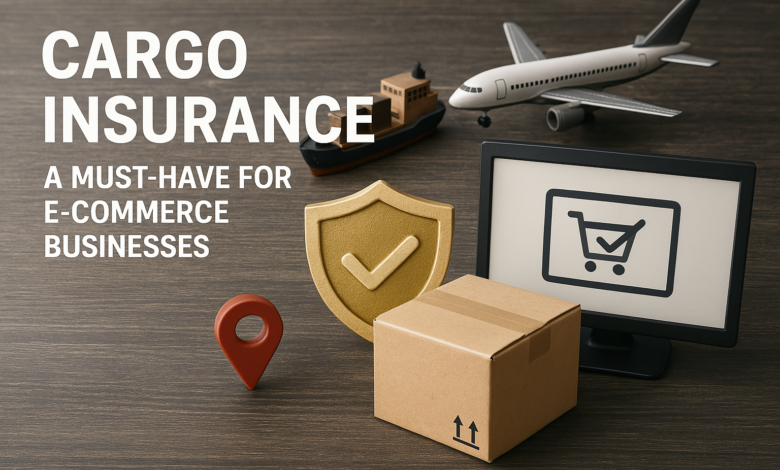
In today’s global economy, e-commerce businesses thrive on seamless logistics and reliable shipping. But with the ever-present risks of damage, theft, or loss during transit, how can online retailers safeguard their goods and ensure uninterrupted customer satisfaction? The answer lies in cargo insurance.
In this article, we’ll break down what cargo insurance is, why it’s essential for e-commerce businesses, and how it can protect your bottom line.
What is Cargo Insurance?
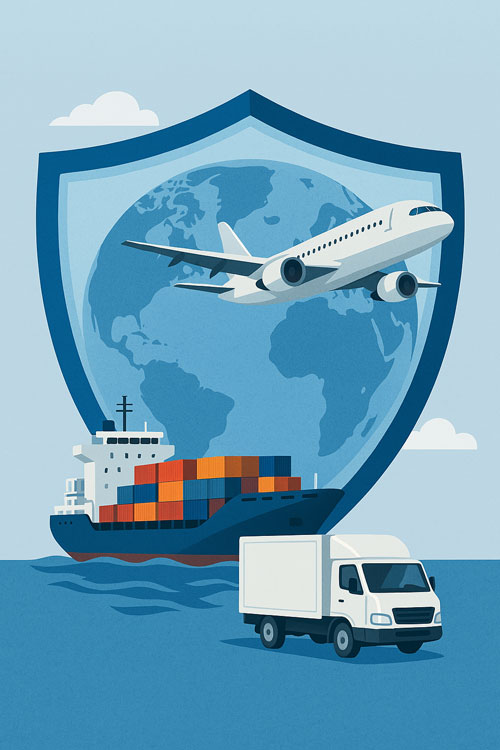
Cargo insurance is a type of coverage that protects goods while they are in transit, whether by land, air, or sea. It reimburses the shipper or owner of the goods for losses resulting from theft, damage, or unforeseen events during shipping.
Unlike carrier liability, which often only covers a fraction of the cargo’s value, cargo insurance offers broader protection and financial reimbursement up to the full invoice value of the shipment.
Why Cargo Insurance Matters for E-Commerce Businesses
E-commerce businesses, especially those that import or export goods, are exposed to numerous risks once their inventory leaves the warehouse. These include:
- Accidental damage during handling or transportation
- Theft or pilferage in transit hubs or delivery routes
- Natural disasters such as floods, fires, or storms
- Lost or misrouted shipments in complex supply chains
- Port congestion or shipping delays leading to spoilage (especially for perishables)
Without cargo insurance, these incidents can lead to heavy financial losses, strained customer relations, and disruptions in inventory management.
Types of Cargo Insurance
E-commerce retailers typically choose from the following types of cargo insurance:
1. All-Risk Insurance
It offers the most comprehensive protection, covering almost all types of physical loss or damage, except exclusions explicitly mentioned in the policy.
2. Named Perils Insurance
Covers only specific events listed in the policy, such as fire, collision, or theft.
3. Total Loss Insurance
Covers only if the entire shipment is lost or destroyed (e.g., a ship sinking with all cargo onboard).
Cargo Insurance vs. Carrier Liability
It’s important to note that carrier liability is not the same as cargo insurance. Many business owners mistakenly assume their shipments are covered simply because a courier or freight forwarder offers some form of liability.
However, carrier liability often:
- Provides limited compensation based on weight or shipping class
- Requires proof of carrier negligence
- May exclude common events like natural disasters or accidents
In contrast, cargo insurance provides faster, more complete, and more reliable compensation, regardless of who was at fault.
How E-Commerce Businesses Can Benefit from Cargo Insurance
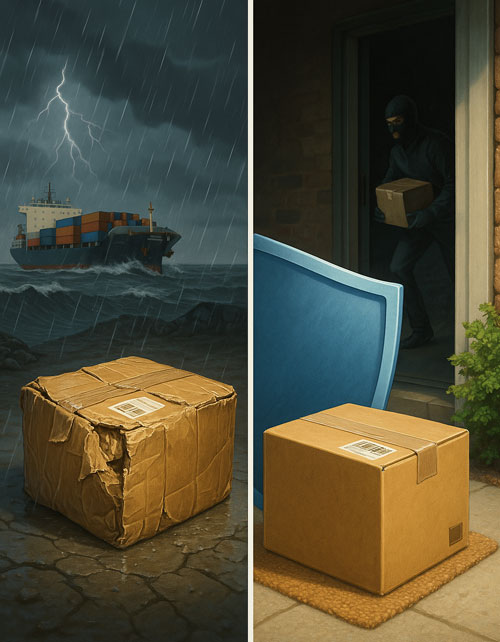
Here’s how cargo insurance supports growth and resilience in e-commerce operations:
✅ Risk Mitigation
Minimize financial loss from unexpected shipping disruptions, ensuring business continuity.
✅ Better Customer Satisfaction
Quick resolution of lost or damaged goods improves trust and reduces the need for disputes or refunds.
✅ Supply Chain Confidence
Work with global suppliers, manufacturers, and fulfillment centers without the fear of uncovered risks.
✅ Competitive Advantage
Build credibility with partners and customers by demonstrating reliability and professionalism.
How to Get Cargo Insurance
Many e-commerce businesses obtain cargo insurance through:
- Freight forwarders or third-party logistics providers (3PLs)
Often offer insurance options at the time of booking. - Specialized insurance brokers
Provide customized cargo insurance plans tailored to your business needs. - E-commerce platforms or shipping aggregators
Some marketplaces and platforms offer built-in insurance options for sellers.
When selecting a policy, consider:
- The value of your goods
- Frequency and routes of shipping
- International trade regulations
- Claims process and reputation of the insurer
Whether you’re shipping products locally or across continents, cargo insurance is an essential safeguard for any e-commerce business. It reduces risk, protects your profits, and strengthens customer confidence in your brand. As the e-commerce landscape continues to expand, being prepared for the unexpected can provide your brand with a strategic advantage through mitigating the cost of product loss due to unforeseen situations that arise during shipping and delivery.